Complaints Procedure for Landscaping Herne Hill
 A clear landscaping complaints procedure helps ensure that any issue is handled fairly, calmly, and efficiently. Whether a concern relates to the quality of work, missed details, site conduct, or misunderstandings about a project, a structured process gives everyone a consistent way to resolve matters. In Herne Hill landscaping services, this approach supports professionalism and helps maintain trust throughout every stage of a project.
When a complaint is raised, the first step is to record the concern accurately. This means identifying what happened, when it happened, and how it has affected the customer or the project. A good complaints process for landscaping work should be simple to follow, easy to understand, and free from unnecessary delay. It should also make clear that all complaints will be treated seriously, whether they are minor or more complex.
 The aim of a landscaping complaint procedure is not only to solve problems, but also to prevent them from happening again. For that reason, each concern should be reviewed with care and supported by any relevant notes, photos, site records, or project details. By looking at the facts first, it becomes easier to decide whether the issue is linked to workmanship, communication, planning, or an unforeseen site condition.
Once the complaint has been logged, it should be acknowledged promptly. Acknowledgement does not mean that a decision has already been made; it simply confirms that the issue has been received and is being considered. In a well-managed Herne Hill landscaping complaints procedure, customers should know what the next steps are, how long the review may take, and who is responsible for handling the matter.
The review stage should involve a fair assessment of the work carried out. This may include checking whether the completed landscaping matches the agreed scope, the planned design, or the expected standard of finish. If the concern involves plants, paving, lawn work, drainage, or boundary features, the review should focus on the specific area affected. Careful inspection is important because landscaping projects often involve natural materials that can behave differently depending on weather, ground conditions, and seasonal changes.
 If the complaint is upheld, the next step is to decide on a suitable resolution. This could include correcting the issue, completing additional work, replacing materials, or revisiting a section of the project. The solution should be proportionate to the problem and agreed as clearly as possible. In many cases, a practical remedy is the best outcome because it restores confidence and allows the landscaping to meet the expected standard.
Not every concern will result in a fault being identified. Sometimes the complaint may arise from misunderstandings, changes in expectation, or factors outside the contractor’s control. Even then, it is still important to explain the reasoning clearly and respectfully. A professional complaints procedure for landscaping should avoid defensive language and instead focus on clarity, evidence, and constructive resolution.
Communication is central to the whole process. Updates should be shared when progress is being made, especially if further inspection, materials, or planning are required. Transparent communication helps reduce frustration and ensures that the complaint does not become more complicated than necessary. Where an issue takes time to resolve, regular updates show that it is still being actively managed.
It is also helpful for the procedure to include a final review once the resolution has been completed. This ensures that the action taken has addressed the original concern and that no further work is needed. In landscaping Herne Hill, a final check can be especially useful for confirming that the site is left tidy, safe, and aligned with the agreed outcome.
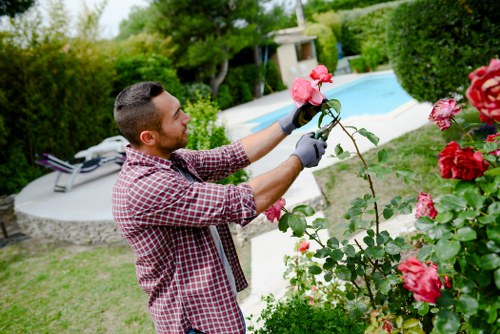 A good complaints policy should also recognise that not all problems are the same. For example, a concern about timing may need a different response from a concern about workmanship. Similarly, issues involving planting may require more observation than hard landscaping repairs. A flexible but structured approach allows each complaint to be handled on its own merits while still following a consistent standard.
Documentation plays an important role in any landscaping complaints process. Keeping a clear record of the original concern, the investigation, the response, and any agreed actions helps provide accountability. It also creates a reference point if similar issues arise later. Good records support fair decision-making and help protect both the customer and the business.
Training staff to handle complaints properly is another key part of the procedure. Anyone involved should understand how to listen carefully, remain polite, and avoid making assumptions. They should also know when to escalate a complaint if it needs further review. A calm, respectful approach can often reduce tension and speed up resolution.
 Finally, a strong complaints procedure for landscaping Herne Hill should be reviewed from time to time to make sure it remains effective. As services, materials, and customer expectations change, the process may need small adjustments. A well-designed procedure shows commitment to quality, fairness, and responsibility. It helps ensure that landscaping projects are not only completed with care, but also supported by a dependable method for addressing concerns when they arise.
In summary, a clear and respectful complaints procedure benefits everyone involved in a landscaping project. It gives structure to difficult conversations, supports fair outcomes, and helps maintain high standards across every job. When complaints are handled properly, they become an opportunity to improve the service and strengthen confidence in future work.