Recycling and Sustainability for Landscaping Herne Hill
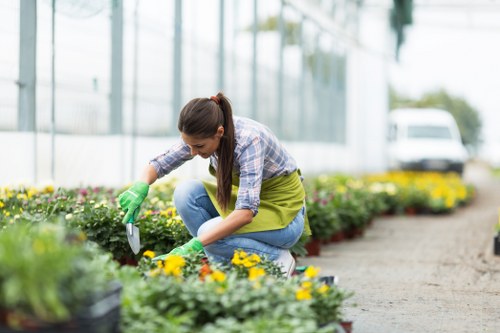 Landscaping Herne Hill is built around a simple idea: great outdoor spaces should also support a healthier environment. Our approach to landscaping in Herne Hill places recycling, careful material selection, and low-carbon operations at the centre of every project. From garden clearances to planting schemes and hard landscaping, we aim to reduce waste at source, recover reusable materials wherever possible, and make sure that as little as possible ends up in landfill. A key goal of our Herne Hill landscaping service is to achieve a minimum recycling rate of 90% across suitable green waste, soil, stone, metal, and packaging materials generated during works. That target helps keep our projects aligned with modern sustainability expectations while supporting cleaner local surroundings.
We work in a way that reflects the practical realities of the area, including borough-based waste separation habits and local recycling requirements. Many nearby councils ask residents and businesses to separate green waste, wood, soil, rubble, plastics, and mixed household materials carefully, and we follow that same disciplined mindset on site. In everyday landscaping services, this means sorting cuttings from branches, keeping inert waste separate from organic material, and avoiding contamination that can reduce recyclability. By applying a borough-style approach to waste separation, our landscaping company in Herne Hill helps ensure that recyclable materials are handled responsibly from the start.
 One of the most effective ways we improve sustainability is through local transfer stations and waste processing facilities. Rather than taking everything straight to disposal, our team uses nearby transfer stations where materials can be weighed, sorted, and directed to the correct recovery stream. Soil may be screened and reused, clean hardcore can be sent for aggregate recovery, and green waste can be converted into compost or mulch. This local routing cuts unnecessary travel and supports a more circular approach to landscaping Herne Hill. It also means that our clients benefit from a cleaner, more efficient service without compromising on environmental standards.
Our recycling activity covers a wide range of landscape materials. During garden redesigns and maintenance work, we separate timber for recycling or re-use, collect metal fixings and fencing for metal recovery, and sort plastic pots, trays, and packaging where facilities allow. In some projects, old paving, broken slabs, or brick can be broken down and diverted from landfill as rubble fill or recycled aggregate feedstock. Landscaping in Herne Hill also includes careful handling of soil and turf, since clean topsoil can often be reused on the same site or at another approved location. These small decisions add up to a major reduction in waste volume.
 We are also committed to partnerships with local charities and community organisations that can make use of suitable reclaimed materials. When safe and appropriate, surplus timber, planters, decorative stone, garden furniture, and some plant stock can be passed on for charitable reuse rather than discarded. This supports community projects, makes donated materials go further, and helps extend the life of items that still have value. Herne Hill landscaping benefits from this model because it turns surplus into an asset, especially when the local area is balancing growing demand for greener spaces with a strong need to reduce waste. We carefully screen items so only materials in good condition are rehomed.
Low-carbon vans are another important part of our sustainability commitment. Our fleet is chosen to help reduce emissions through efficient engines, lower fuel consumption, and practical route planning that avoids unnecessary mileage. Where possible, we group jobs across Herne Hill and nearby areas to limit journeys, and we plan collections so our vans travel full rather than half empty. In a sector where repeated site visits can quickly increase carbon output, these steps make a real difference. For a landscaping company in Herne Hill, better transport efficiency is as important as recycling because both reduce the overall environmental footprint of each project.
Practical Sustainability in Everyday Landscaping
 Sustainability is not just a policy; it is a daily process. For example, when we complete a garden clearance, we separate organic matter for green recycling, assess which stones or slabs can be reused, and identify what must go to approved waste streams. On planting jobs, we look at composting-friendly arisings and reduce single-use packaging wherever possible. On construction work, we aim to minimise offcuts and carefully manage deliveries so materials arrive in quantities that reflect the real scope of the project. These practices help make Herne Hill landscaping both efficient and environmentally aware.
We also keep an eye on local recycling habits that influence outdoor projects. In many boroughs, waste separation is increasingly specific, with different containers or collections for garden waste, paper, mixed recycling, and residual waste. That culture of separation is echoed in our own methods: clean green waste is kept apart from treated wood, contaminated rubble is isolated from reusable hardcore, and metals are stored separately so they can enter the correct recovery chain. This level of care ensures that the recycling percentage target is realistic and that recyclable streams remain as uncontaminated as possible.
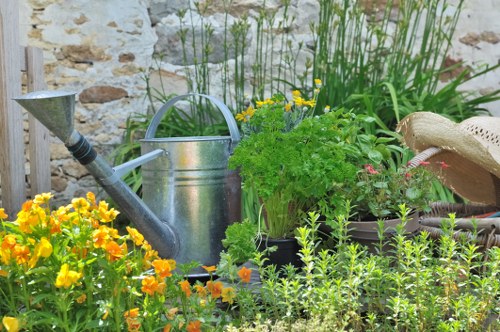 At the heart of our landscaping in Herne Hill is a belief that sustainability should be visible in the finished space as well as in the process behind it. Choosing hardy, well-suited plants can reduce watering needs; using reclaimed materials can lower demand for new extraction; and working with local facilities can support a smaller carbon footprint. Our recycling and sustainability approach is therefore part of the full design and delivery cycle, from the first clearance to the last tidy-up. By combining thoughtful waste separation, local transfer station use, charity partnerships, and low-carbon vans, we make it easier for outdoor spaces to be created responsibly and maintained with care.