Health and Safety Policy for Landscaping Herne Hill
 Health and safety is a core part of every landscaping operation carried out under this policy. Whether the work involves garden maintenance, turf preparation, planting, hedge trimming, hard landscaping, or seasonal clearance, all activities must be planned and completed with care. The aim is to protect employees, contractors, clients, visitors, and members of the public from avoidable harm while maintaining high-quality landscape services. This policy sets out the standards expected across all tasks, from routine site upkeep to more complex outdoor works.
Our approach to safety in landscaping is based on prevention, communication, and supervision. Risk assessments must be completed before work begins, with attention given to terrain, weather conditions, traffic movement, plant equipment, manual handling, and the presence of hidden hazards. Each project should be reviewed to identify the safest method of work, the correct tools, and any controls needed to reduce the chance of injury. Where risks change during the job, the plan must be updated without delay.
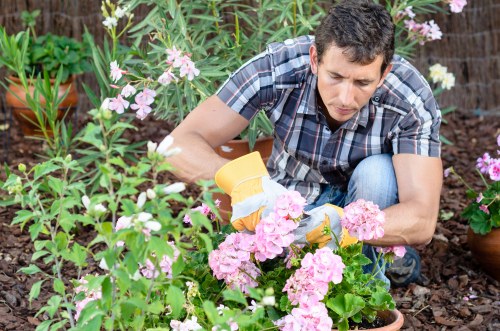 Everyone involved in landscape maintenance is responsible for working safely and following site rules. Staff must wear suitable personal protective equipment, including gloves, boots, eye protection, hearing protection where required, and high-visibility clothing when working near vehicles or public areas. Protective equipment must be kept clean, inspected regularly, and replaced when damaged. Training is essential so that every worker understands safe lifting, tool handling, machinery use, and the correct response to incidents or unsafe conditions.
All machinery and equipment used in landscaping services must be suitable for the task and maintained in good working order. Pre-use checks are required for mowers, strimmers, hedge cutters, power tools, and hand tools, with faults reported immediately and defective equipment removed from service. Fuel, batteries, and sharp tools must be stored safely and handled according to manufacturer instructions. Only trained and authorised personnel should operate equipment that presents a higher level of risk.
The safe management of manual handling is a key part of this landscaping health and safety policy. Lifting, carrying, pushing, and pulling materials such as soil, paving, plants, and waste can cause strain if done incorrectly. Workers should assess the load, use mechanical aids when practical, and avoid repetitive tasks without breaks. Team lifting should be arranged for awkward or heavy items, and work should be organised to minimise unnecessary movement across site.
 Site conditions can change quickly, especially during wet, cold, or windy weather. Slips, trips, falls, and unstable ground are common hazards in outdoor work, so routes should be kept clear and surfaces managed carefully. Where there is a risk from slopes, uneven edges, excavation, or working at height, additional controls must be used. Lighting, barriers, and safe access arrangements should be in place whenever required to support safe movement and reduce exposure to danger.
Communication and supervision are essential to safe practice. Before starting work, teams should be briefed on the day’s activities, hazards, and control measures. Instructions must be clear, especially when several tasks are happening at once or when different contractors are present. Supervisors are responsible for checking that safe methods are being followed, that workers remain alert to changing conditions, and that no person is asked to work beyond their competence or training.
Environmental care is also part of safe landscaping work. Waste should be separated and removed correctly, with sharp debris, treated plant material, and recyclable materials managed in line with site procedures. Chemicals such as fertilisers, weed control products, fuels, and cleaning substances must be stored securely and used only in accordance with instructions. Spill prevention measures should be in place, and any accidental release must be contained and reported promptly to reduce risk to people and surroundings.
 Emergency readiness is a vital element of this policy. All workers should know the basic response for injury, fire, spill, severe weather, or equipment failure. First aid supplies must be available, and at least one trained first aider should be designated where appropriate. If an incident occurs, work should stop if needed, the area made safe, and the event recorded and reviewed so that lessons can be applied to future landscaping tasks.
We expect continuous improvement in landscape safety through regular review of working practices, training, and incident records. Near misses, minor injuries, and unsafe conditions should be reported because they provide valuable information for prevention. Managers must assess whether further instruction, better equipment, revised procedures, or additional supervision is needed. This policy is not static; it should be checked periodically to make sure it remains effective and practical for day-to-day operations.
 Every person working on landscaping duties must contribute to a safe and respectful working environment. No task is so urgent that it justifies ignoring risk controls, bypassing training, or using unsuitable equipment. By applying sound judgment, maintaining good housekeeping, and following this policy consistently, our landscaping operations can be carried out safely, efficiently, and professionally. The result is a safer workplace, better service quality, and reduced disruption for everyone involved.